
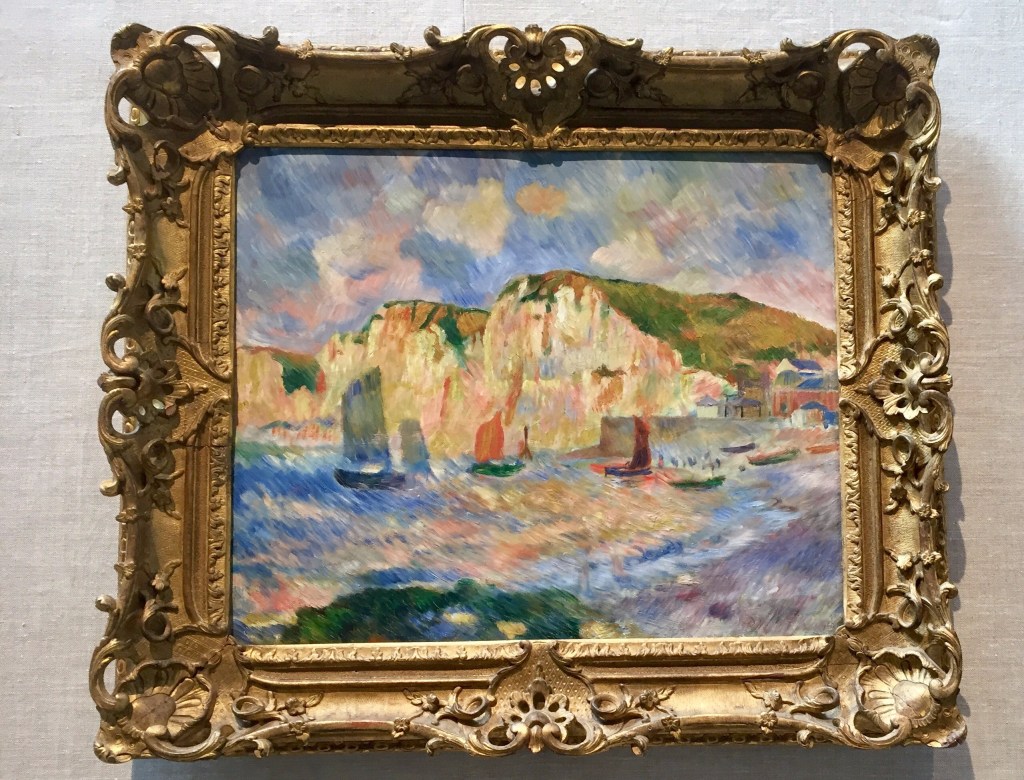
Intense periods of frustration, angst and unhappiness have the potential to create potent energy needed to forge change.
We have seen Monet’s paintings and accept how valuable and unique his work is today, but we hardly fathom the rejection, critique and poverty he experienced during his life. Could you believe that there were times when Monet did not have enough to feed his family because he could not find buyers for his paintings? Born into an economically comfortable family, his father owned a prosperous ship-chandlering and grocery shop, but Monet was a rebel from the start. He was drawn into painting from an early age and decided to learn from other artists by hanging around local bars with them instead of attending a traditional fine arts school.
This is the beginning of Monet’s identity as an avant-garde, determined adult who used his anger and frustration against the establishment to forge a new path in the art world. Today we know Monet as the artist who pioneered the Impressionist movement, but this movement was explicitly seen as going against government sanctioned ideas and recommendations of what made a painting beautiful and bankable.
Monet was unhappy with the established definitions artwork and did not approve of the mere rehashing of art that at the Louvre. At one point, a depressed and poverty-stricken Monet even jumped off a bridge into the Siene!
When I think of Monet I think of a person who combined his frustration, unhappiness and grit to forge a path for himself, like a fish swimming against a current. His unending faith in his artistic ability led him to various cities and people. Despite experiencing very tough times in his life, he was eventually able to enjoy his success.
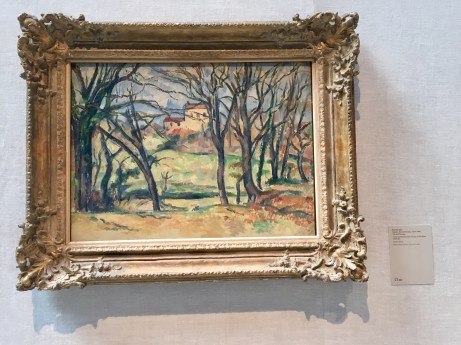
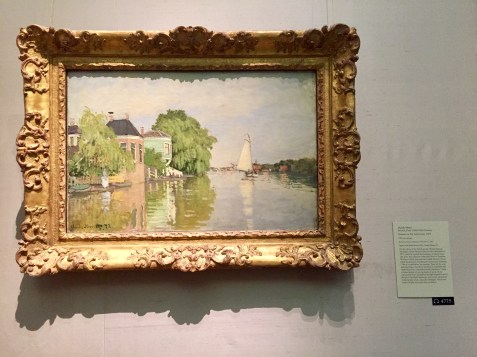
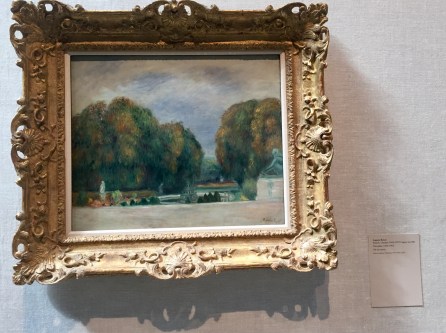
Monet was friends with peers August Renoir, Frédéric Bazille, Alfred Sisley, Camille Pissarro and Paul Cézanne. There was a powerful bond between these colleagues that not only further expanded the Impressionist movement, but created a bond of trust between the struggling artists. Artists frequently sent each other bread, stayed at each other’s homes, and shared each other’s studios.
Take a look at some of my favorite pieces from them at The Met:
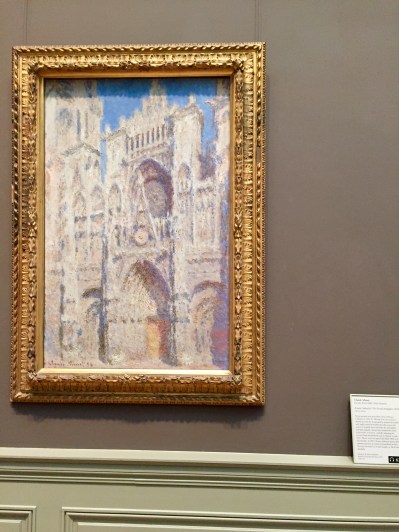

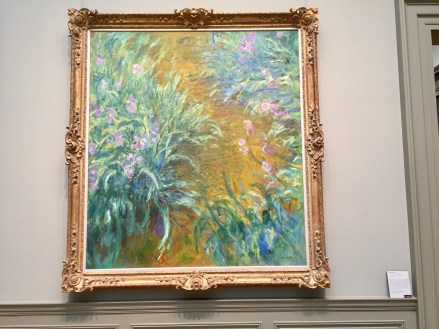
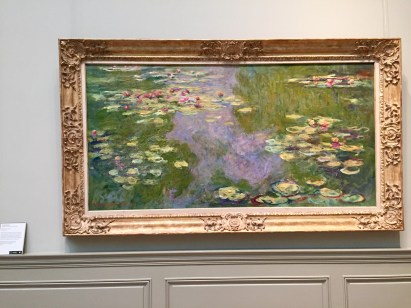


 Une Pause