People are so complicated.
As I sat down to pen my thoughts on Picasso, I was bewildered by how to process all the information I had come across.
On the one hand, he’s considered a genius who revolutionized art and was a tireless seeker of mastery.
On the other hand, he was notorious for treating his lovers poorly – leading two to commit suicide and two others to experience mental breakdowns.
Is he the sum of all his parts, or is there another way to understand him?
What if it didn’t matter?
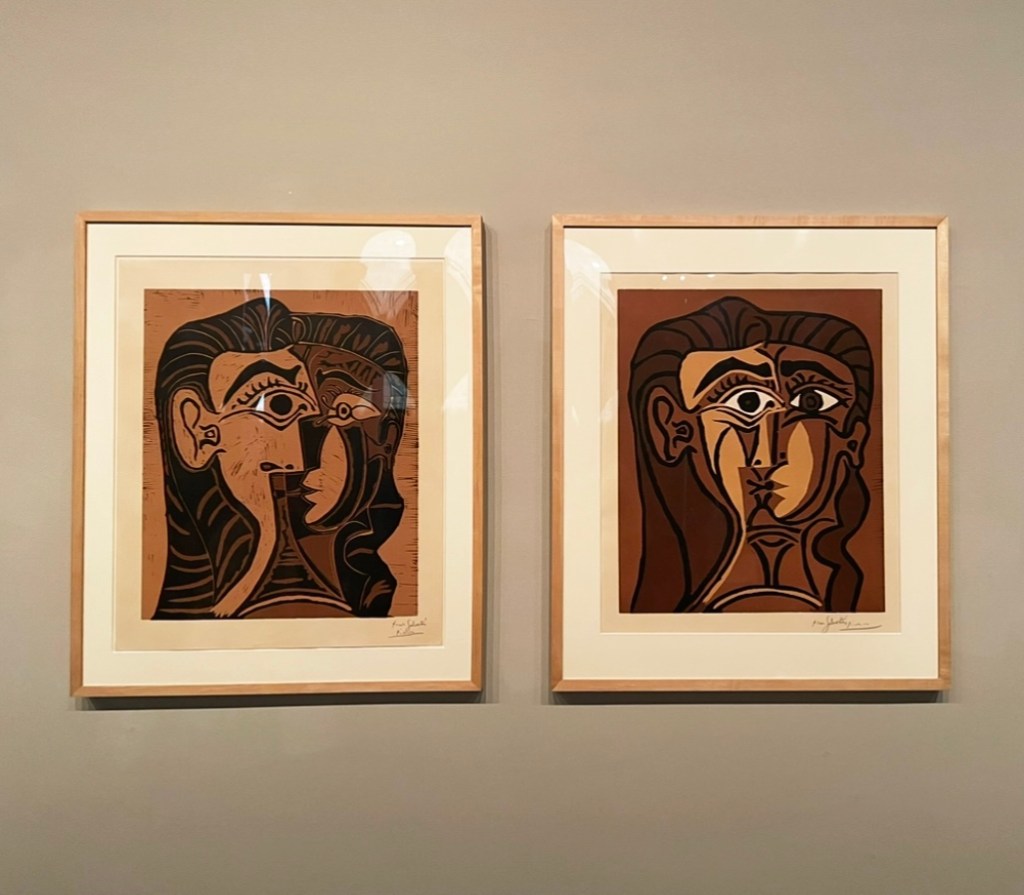
What if we employ the artistic technique that he co-created – which encourages viewers to consider an object from many points of views simultaneously – on him, so that we can appreciate the good without putting him on a pedastal?
–
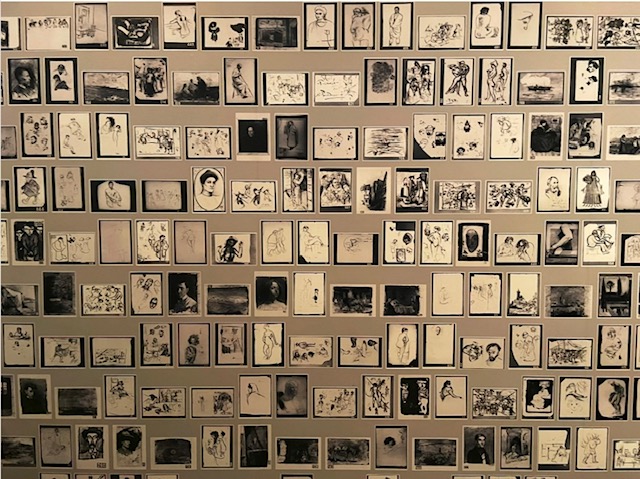
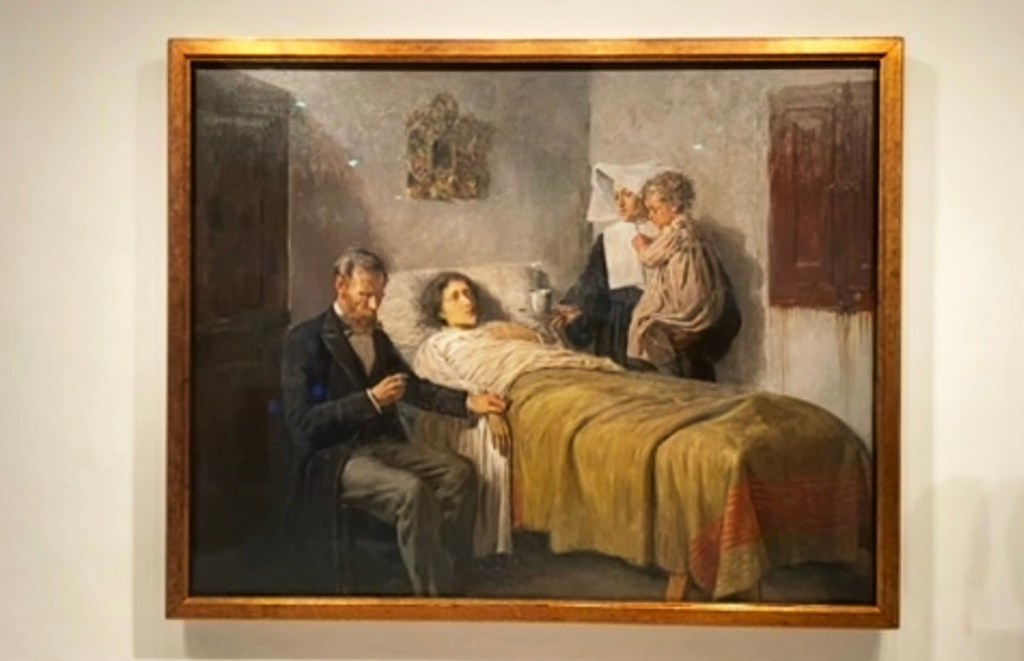
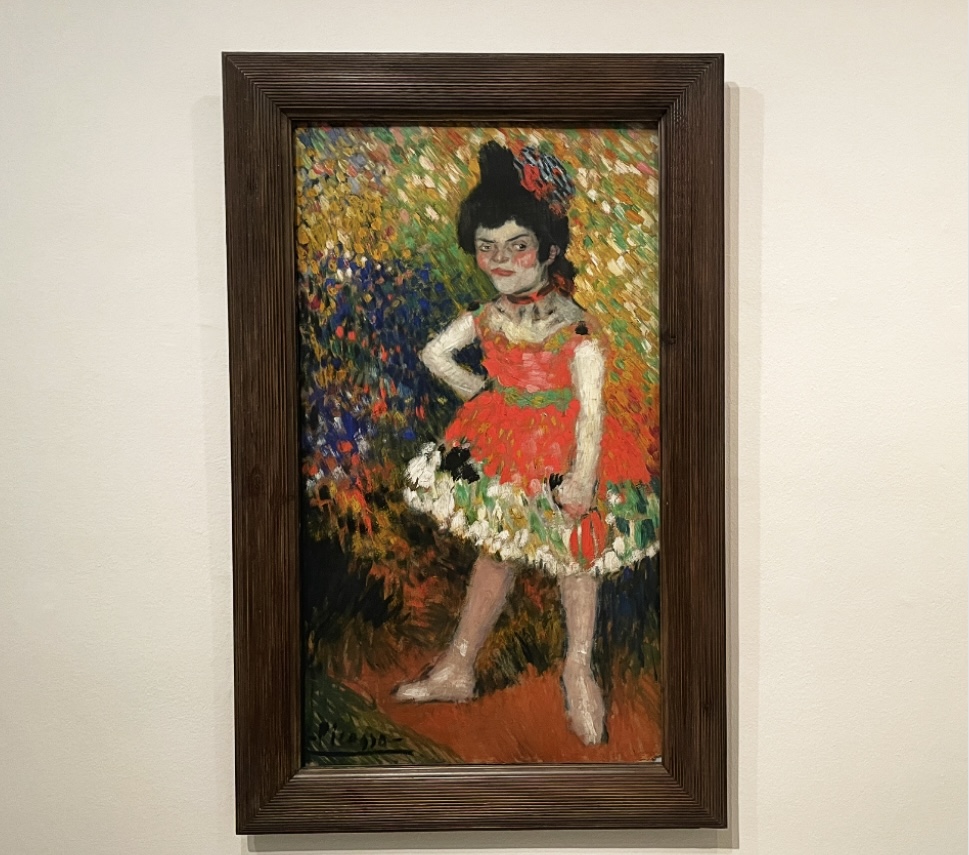
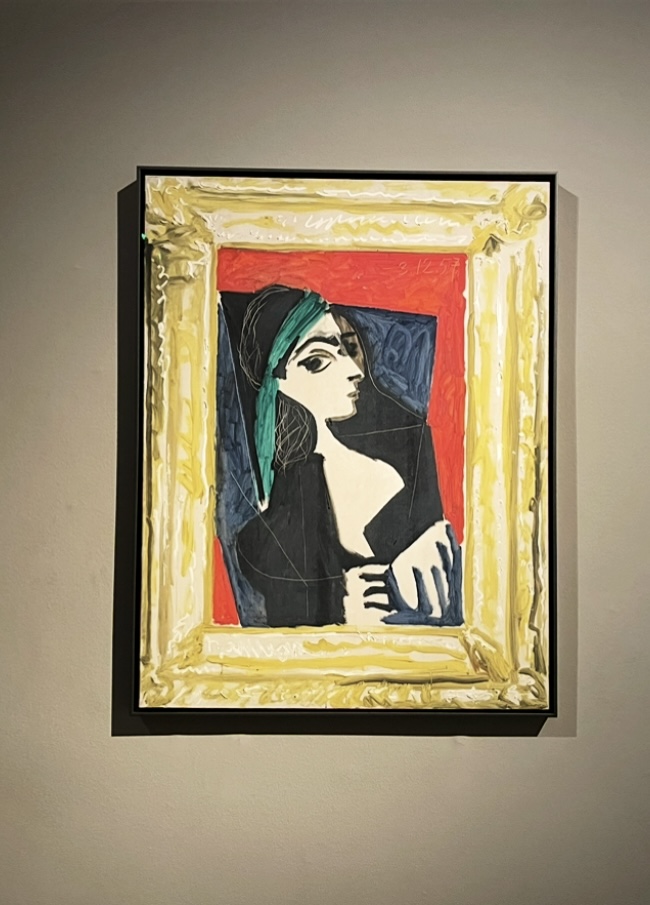
I visited the Museu Picasso in Barcelona a few months ago.
Disruptor. Gutsy. Mastery-chaser. Bad ass.
These are some of the words that initially came to mind as I walked through the museum and experienced his contributions.
We all know the name “Picasso”, but what makes him great?
I realized that Picasso’s life was like everyone else’s, with its share of heartbreak, grief, cruelty, and self discovery.
As I mentioned earlier, by no means was he perfect.
But the energy I got from having experienced his work was one of brazen ownership – he thoroughly owned who he was – flaws and all.
His passion for mastery and learning was what set him apart. He lived his life clue by clue and marched to the beat of his own drum.
Like all of us, he knew not what the next step held for him, yet he took the leap, which seems to convey how somatically aware he was.
If something didn’t feel right, he didn’t do it. If it did, he chased after it obsessively. If he didn’t understand something, he fixated on it until he mastered it.
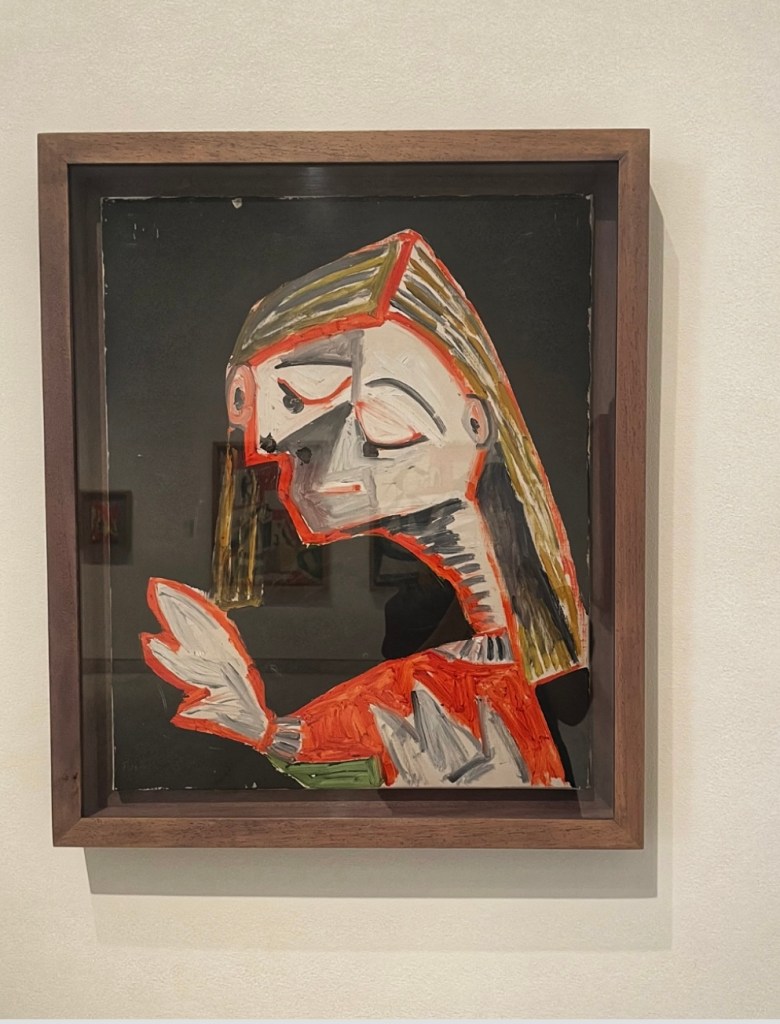
People talk a lot about his technique and how was one of the creators of Cubism, but we seldom appreciate how vulnerable and brave it is to introduce anything new to the world. At the time, he didn’t know whether his contribution would be a hit or a miss. He challenged centuries of European painting technique, which emphasized the importance of linear perspective, chiaroscuro and perfectly proportioned standards of beauty- all by answering his inner call.
To me this is an outer result of the inner fervor with which he led his life. I believe this was a result of being truly in-tune with who he was and what he felt he needed to do to live his life; the rest worked itself out.
He was authentic. And messy.
He had his faults, but there is something to be said for someone owning themselves completely.
How would the world change if each of us truly gave ourselves permission to follow our own bliss?
How would the world change if we owned all of ourselves – every vulnerability, flaw, emotion, trait and idiosyncrasy?
That’s the energy I felt as I walked through the museum.
The energy of defiance. Of radical honesty with oneself. Of not allowing the world to steamroll his life.
He was driven by his emotions and had a need to express them – he had little regard for rules and didn’t shy away from presenting his renditions of popular artist’s work.
Today, people call him a genius, but all he was was intensely curious and equally courageous to walk his path.
All he did was see things from his point of view and bring that view into the world.
All he did was co-create Cubism, start a movement and leave a defining contribution in the art world.
–
Each of us has something to offer. Picasso shows us that we all can leave a mark in this world, complete with our gifts and our flaws.
–
“A picture used to be a sum of additions. With me, a picture is a sum of destructions.”
“The picture lives only through the man looking at it.”
“The purpose of art is washing the dust of daily life off our souls.”





 Une Pause